The Unexpected Role of Unified Transaction Layers in Reducing Friction for Global Subscription Renewals
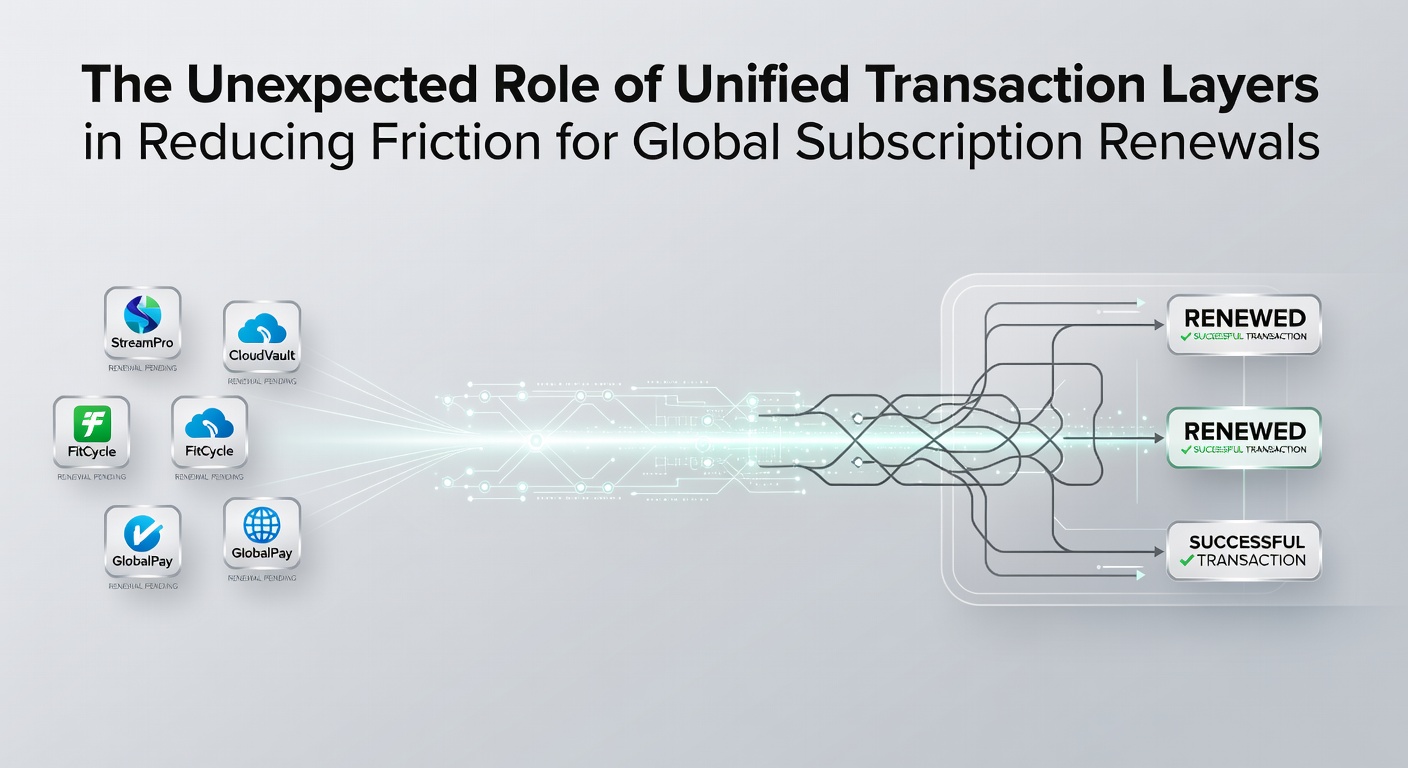
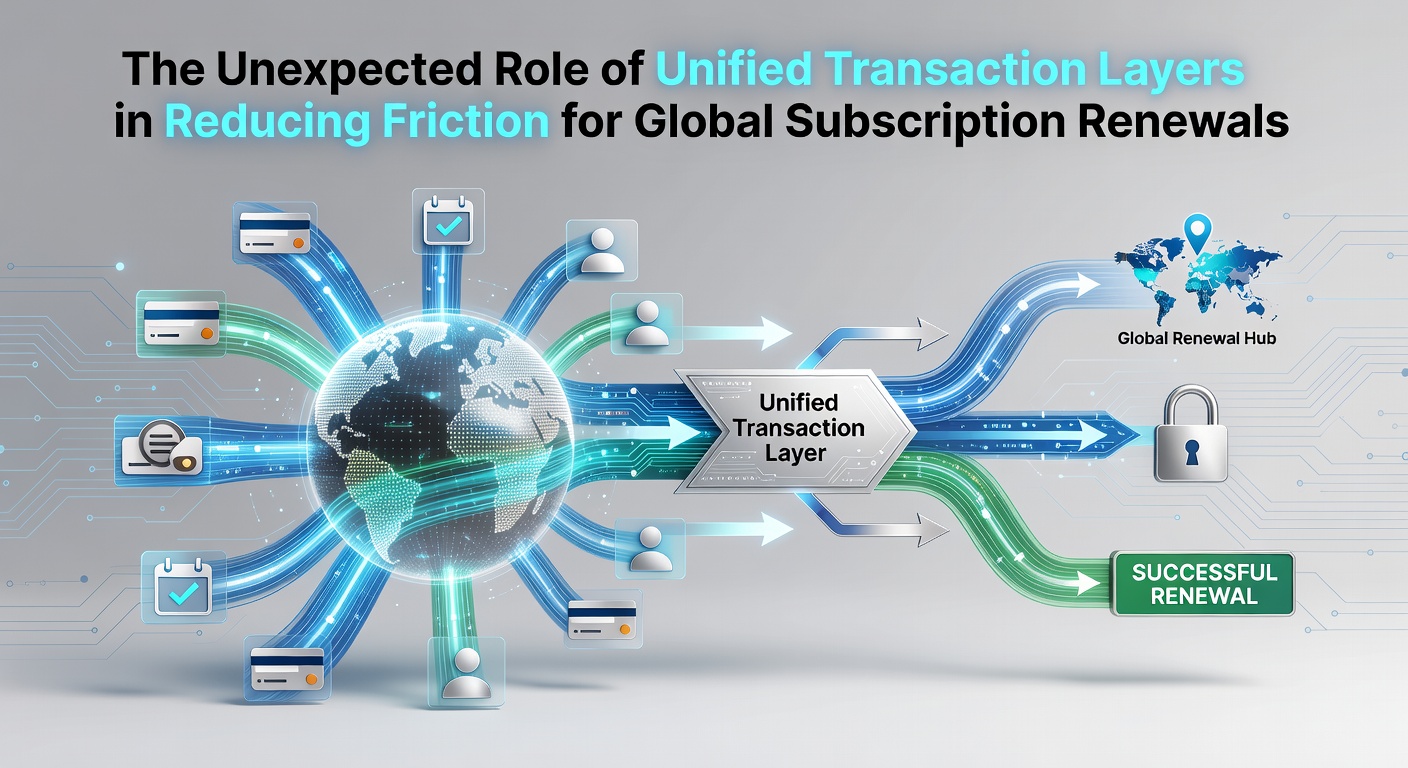
Unified transaction layers have emerged as a key component in payment infrastructures that support recurring billing models across multiple countries, and they work by consolidating various processing pathways into a single operational framework that handles authorization, settlement, and compliance checks simultaneously. Companies that manage international subscriptions often encounter issues such as currency mismatches, regional payment method restrictions, and repeated authorization failures during renewal cycles, yet these layers address those points through standardized data routing that adapts to local regulations without requiring separate integrations for each market.
How Unified Layers Operate in Subscription Ecosystems
Researchers at payment technology firms have documented that unified layers pull together disparate elements including acquirer connections, issuer communications, and fraud detection protocols into one interface, which allows subscription platforms to process renewals in real time even when customers switch between cards, digital wallets, or bank transfers in different regions. Data from industry analyses indicates that this consolidation reduces the number of API calls needed for each transaction by up to 40 percent in cross-border scenarios, because the layer manages retries, currency conversions, and regulatory reporting automatically instead of passing those tasks back to the merchant system.
One case involved a streaming service expanding into Southeast Asian markets where renewal success rates climbed after the company adopted a unified layer that incorporated local e-wallet preferences and handled tax calculations on the fly. Observers note that such improvements stem from the layer's ability to maintain persistent customer profiles that update dynamically, thereby avoiding the common pitfalls of outdated payment credentials that cause declines at renewal time.
Addressing Cross-Border Challenges with Coordinated Processing
Global subscription providers face hurdles when renewals coincide with fluctuations in exchange rates or shifts in banking hours across time zones, and unified transaction layers mitigate these by applying real-time rate adjustments while routing transactions through the most stable available corridors. A 2025 report from the Australian Payments Network highlighted how coordinated layers helped reduce failed renewals by 28 percent for media companies operating in both Australia and the European Union, since the system automatically selects backup processors when primary routes encounter temporary blocks.
What's interesting is the way these layers integrate with tokenization standards to preserve payment details securely across borders, which prevents the need for customers to re-enter information during each billing cycle. Experts have observed that this approach aligns with evolving rules such as those outlined in Canada's payments modernization initiatives, where emphasis on interoperability encourages broader adoption of unified frameworks by mid-2026.
Impact on Renewal Success Rates and Customer Retention
Figures from transaction monitoring services reveal that platforms using unified layers report fewer interruptions in recurring revenue streams because the system detects potential friction points like insufficient funds or regional restrictions before they trigger a full decline. In practice this means subscription services can offer grace periods or alternative payment prompts without manual intervention, which keeps churn lower in markets where customers rely on varying local methods such as mobile money in parts of Africa or instant bank transfers in Nordic countries.
And while traditional setups often required merchants to maintain separate gateways for each region, unified layers consolidate those functions so that a single dashboard provides visibility into renewal performance worldwide. Research indicates that businesses adopting this model by early 2026 saw average processing times for international renewals drop from several seconds to under one, allowing for smoother handling of high-volume billing periods.
Integration with Emerging Regulatory and Technological Standards
Regulatory developments in the European Union and Asia-Pacific regions have pushed for greater harmonization of payment data flows, and unified transaction layers fit neatly into that environment by embedding compliance checks directly into the processing sequence. A study released through the Bank for International Settlements noted increased efficiency in subscription billing after organizations implemented layers that automatically apply updates to anti-money laundering protocols across jurisdictions.
People who've examined these systems point out that the unexpected benefit lies in scalability, since adding support for a new market requires only configuration changes rather than full redevelopment. This proves especially useful for software-as-a-service providers that onboard users from dozens of countries and must manage renewals without proportional increases in operational overhead.
Conclusion
Unified transaction layers continue to reshape how global subscription renewals occur by streamlining the technical and regulatory pathways that once created delays and drop-offs. As adoption grows through 2026, data shows these frameworks deliver measurable gains in completion rates while supporting diverse payment preferences across regions. Organizations that implement such layers gain operational consistency without sacrificing the flexibility needed to navigate varying market conditions, which positions them to maintain steady revenue flows even as international billing demands evolve.