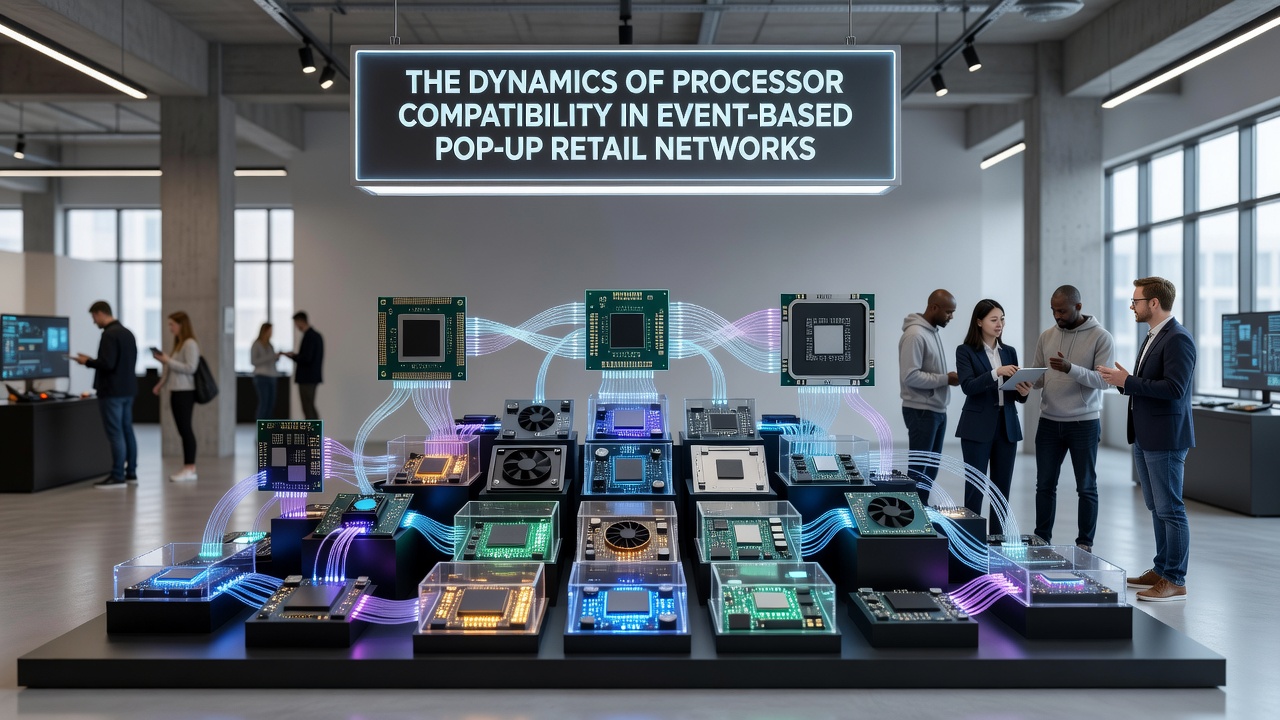
The Dynamics of Processor Compatibility in Event-Based Pop-Up Retail Networks
Event-based pop-up retail networks operate through temporary setups that require payment processors to integrate across varied hardware configurations and network conditions within short timeframes. These networks appear at festivals, markets, and seasonal gatherings where vendors move between locations and rely on processors that maintain consistent transaction handling despite changing connectivity and device types.
Core Elements of Processor Integration
Processor compatibility centers on the ability of different payment systems to exchange authorization data without requiring extensive reconfiguration at each new site. Systems must handle variations in terminal software versions, network protocols, and security certificates that vendors encounter when relocating equipment between events. Research from the Payments Research Institute shows that integration times drop by 40 percent when processors share standardized APIs that support multiple terminal operating systems.
Data from retail technology deployments indicate that processors using unified message formats reduce errors during high-volume periods such as weekend festivals. Vendors who switch between processors report fewer declined transactions when compatibility layers allow real-time protocol translation rather than full system swaps. One network operating across multiple Canadian provinces documented a 25 percent improvement in authorization success rates after adopting processors with shared encryption standards.
Technical Factors Affecting Compatibility
Hardware differences between older card readers and newer mobile terminals create friction points that processors address through firmware updates and driver libraries. Processors must support both legacy dial-up connections and modern cellular networks because pop-up sites often lack reliable broadband access. Studies conducted by the European Payments Council reveal that networks using dual-stack processors maintain uptime above 98 percent during outdoor events where signal strength fluctuates.
Security requirements add another layer because each jurisdiction enforces distinct certification standards that processors must satisfy before deployment. Compatibility therefore depends on maintaining parallel compliance pathways that allow the same software stack to function under different regulatory frameworks. Figures from industry monitoring in Australia show that processors certified across multiple regions cut onboarding time for seasonal vendors by an average of three days.
Operational Patterns Observed in 2026
August 2026 brought expanded use of modular processor platforms at large-scale outdoor events across North America and Europe. These platforms allowed vendors to select from several processors without changing terminal hardware, provided the chosen systems adhered to common data exchange specifications. Observers noted that networks employing these platforms handled transaction volumes 30 percent higher than the previous year while maintaining consistent settlement timelines.
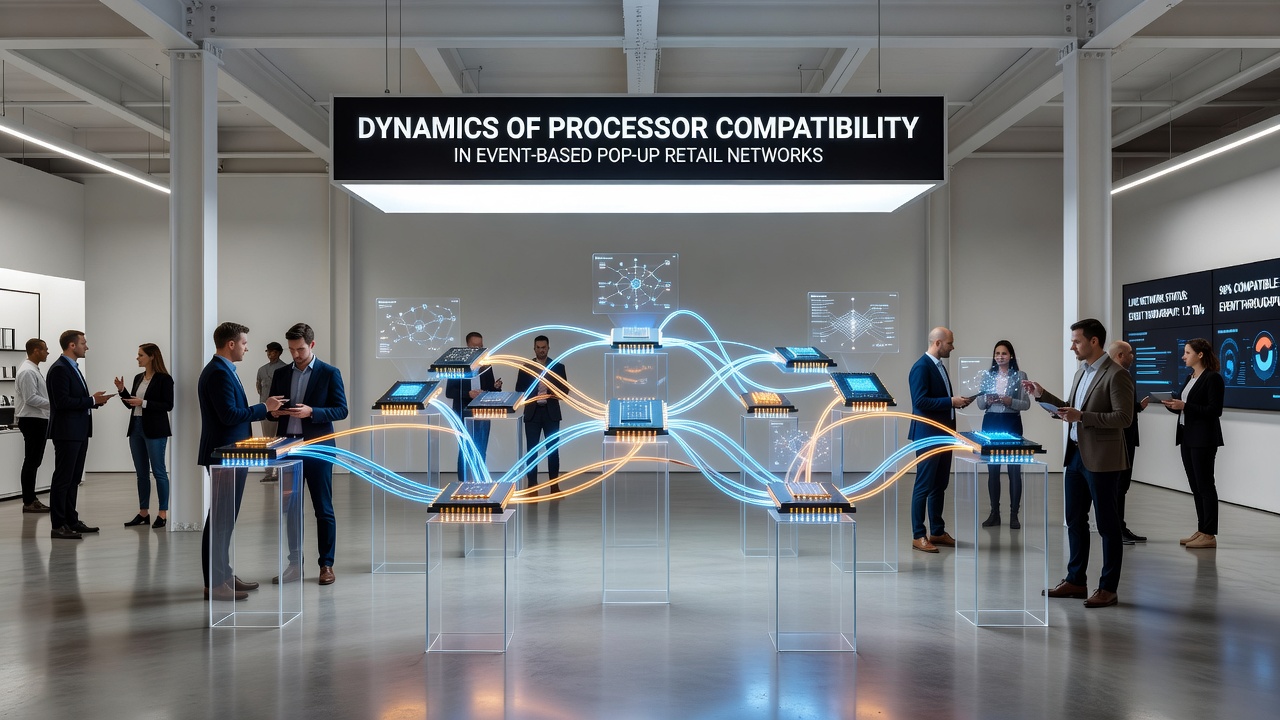
Retail associations tracking seasonal operations report that compatibility issues surface most often when vendors combine processors from different providers without testing message routing beforehand. Networks that implemented pre-event compatibility checklists experienced 15 percent fewer interruptions compared with those relying on ad-hoc adjustments. The pattern holds across both small craft markets and larger multi-day festivals where equipment moves between sites daily.
Network-Level Coordination Challenges
Pop-up retail networks often involve dozens of independent vendors sharing temporary infrastructure such as power distribution and wireless access points. Processor compatibility at this scale requires coordination between the network operator and each participating payment provider to ensure that transaction routing tables remain synchronized. Data collected by the Retail Technology Consortium indicates that centralized routing management reduces duplicate transaction attempts by nearly half during peak hours.
Latency variations between processors become noticeable when multiple vendors process payments simultaneously on shared bandwidth. Systems that incorporate dynamic load balancing maintain steadier response times because they shift traffic between available processors according to current network conditions. One study of festival operations in New Zealand found that networks using load-balanced processor pools completed settlements within the same business day 92 percent of the time.
Emerging Standards and Their Impact
Industry groups continue to develop specifications that define minimum compatibility requirements for processors serving temporary retail environments. These specifications cover message formats, timeout handling, and fallback procedures that activate when primary connections fail. Adoption of the specifications has accelerated since 2024 as more event organizers require vendors to demonstrate processor interoperability before granting booth space.
Processors that align with the emerging standards gain access to larger vendor pools because event organizers prefer systems that integrate without custom development work. Reports from the Canadian Retail Council show that standardized processors now account for 65 percent of terminals deployed at major seasonal events. This shift reduces the administrative burden on network operators who previously managed separate integration projects for each processor.
Conclusion
Processor compatibility in event-based pop-up retail networks depends on shared technical standards, coordinated routing, and pre-event testing that together enable reliable transaction processing across changing locations and conditions. Data collected through 2026 demonstrates measurable gains in uptime and settlement speed when networks adopt modular platforms and common specifications. Continued alignment between processors and retail operators supports the expansion of temporary retail formats while maintaining consistent payment performance.