Patterns of Data Token Exchange in Contactless Retail Checkout Procedures
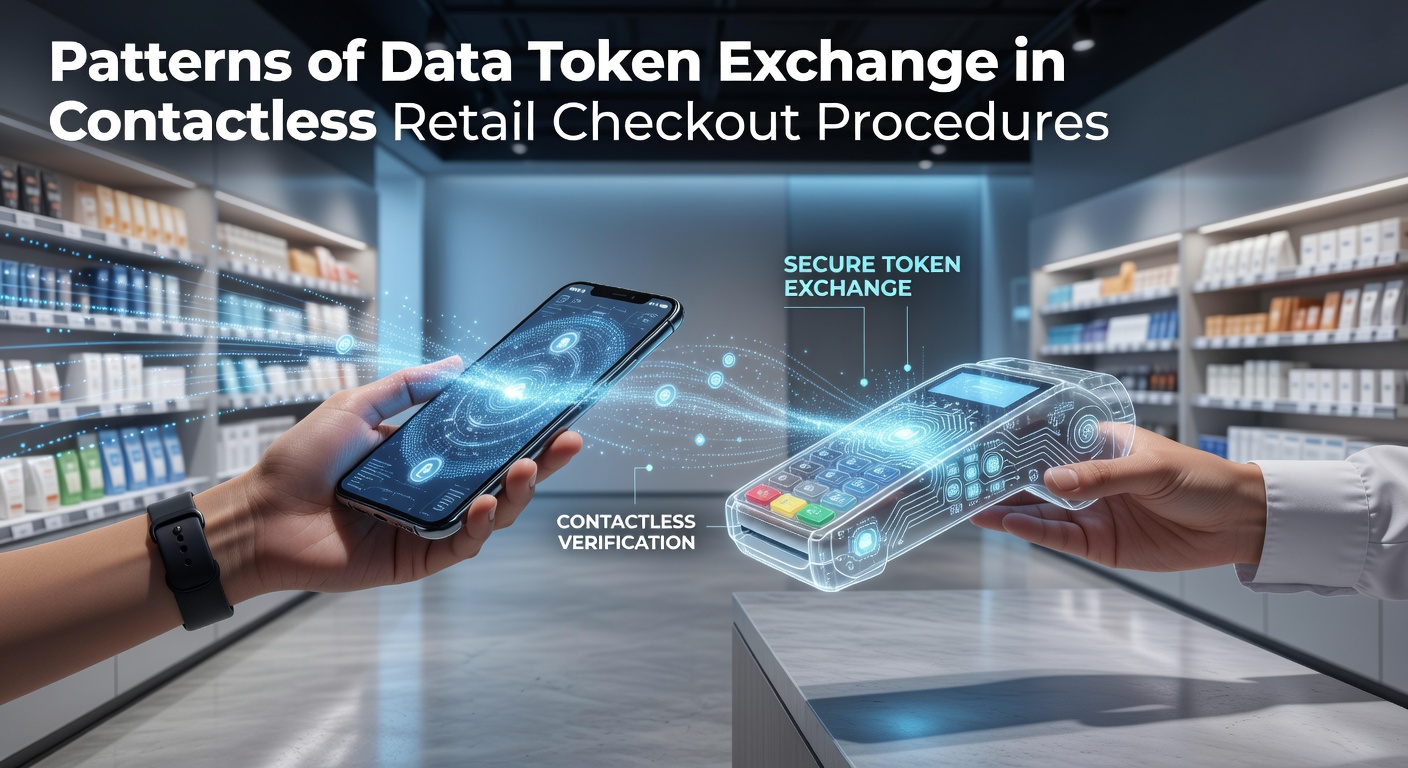
Retail checkout systems have shifted toward contactless methods that rely on secure token exchanges rather than direct transmission of sensitive card details. In these procedures the primary account number gets replaced by a token generated through a token service provider, and teh exchange follows specific patterns that maintain security while supporting rapid transaction speeds. Observers note that the flow typically begins when a mobile device or card taps an NFC-enabled terminal, triggering an encrypted request that travels from the merchant acquirer to the payment network and onward to the issuer for authorization. The core pattern involves multiple layers of token generation and validation. First the token gets provisioned during card enrollment in a digital wallet, then it becomes activated for use in specific merchant categories or device identifiers. During checkout the terminal sends the token along with dynamic cryptograms to the acquirer, which routes the data through established rails like those operated by major card networks. Researchers have documented that this sequence reduces exposure of actual card credentials because the token holds no inherent value outside the approved channel, and it expires or gets restricted after each use in many implementations. Data shows several recurring exchange patterns across global retail environments. One common sequence uses single-use tokens that get generated on the fly for each transaction, while another relies on stored tokens that require additional authentication factors such as device binding or biometric confirmation. In high-volume grocery settings the pattern often includes merchant-specific tokens that limit usage to designated locations, whereas travel retail frequently employs tokens with broader geographic allowances. These variations emerge because networks and issuers balance convenience against fraud controls, and the resulting data flows adapt accordingly. As of May 2026 transaction volume statistics continue to reflect growth in contactless adoption, particularly in regions where terminals have been upgraded to support the latest EMV specifications. Payment networks report that token-based exchanges now account for the majority of face-to-face retail payments in many markets, with the patterns becoming more standardized through industry guidelines. The process gains efficiency when the token service provider maintains real-time synchronization with issuers, allowing instant verification without repeated calls to the original card details. Security mechanisms integrate directly into these exchange patterns. Cryptographic keys rotate during each tap, and the terminal validates the token's domain restrictions before forwarding the request. If the pattern detects an anomaly, such as a mismatched device identifier, the transaction gets declined at the network level rather than reaching the issuer. This layered approach has led organizations to adopt token vaults that store mappings separately from transaction processing systems, further isolating sensitive information. Another observed pattern involves fallback procedures when primary token exchanges encounter interruptions. The system may revert to a previously provisioned token or initiate a new provisioning request through the wallet provider, all while maintaining encryption standards set by EMVCo protocols. Retail operators have implemented monitoring tools that track these fallback events to identify terminal or network issues before they affect customer throughput.
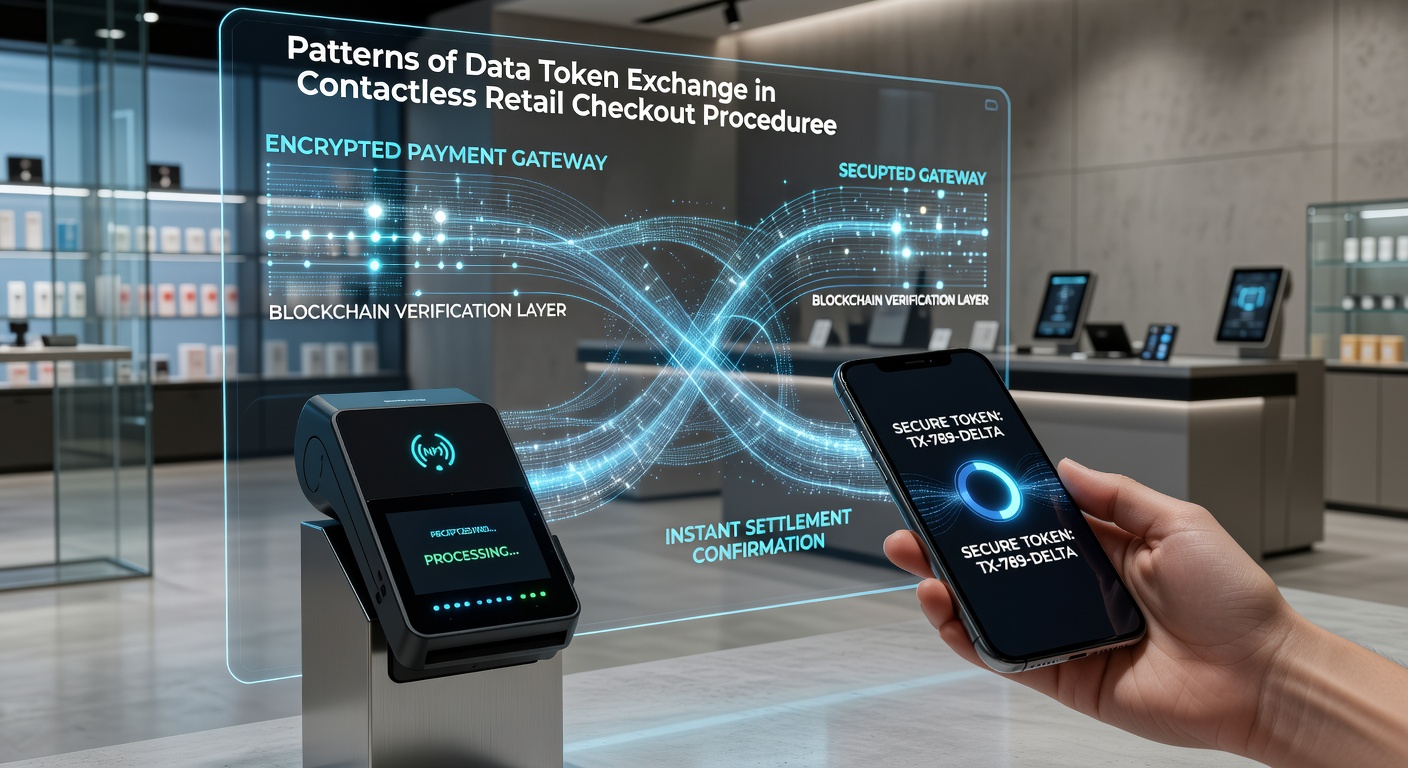
Interoperability across borders introduces additional complexity to the exchange patterns. When a consumer uses a token issued in one country at a terminal in another, the routing incorporates currency conversion flags and regional compliance checks that get embedded in the token metadata. Payment processors handle these variations by maintaining updated routing tables that reflect current regulatory requirements from multiple jurisdictions. Industry reports indicate that token exchange volumes have prompted updates to terminal firmware and acquirer software throughout 2025 and into 2026. These updates focus on supporting extended token lengths and enhanced cryptogram algorithms that address emerging threats. Retail chains that upgraded early report smoother transaction completion rates because their systems align with the prevailing exchange patterns used by major networks. Observers note that integration with loyalty programs has started to influence token patterns as well. Some issuers embed loyalty identifiers within the token payload so that rewards accrue automatically during authorization without separate data transfers. This consolidation reduces the number of messages exchanged between parties yet still preserves the separation between payment credentials and marketing data. The patterns continue to evolve with the introduction of new device types and payment form factors. Wearables and vehicle-based systems generate tokens through their own secure elements, following the same provisioning and exchange sequences used by smartphones. Data from network operators shows these alternative channels follow consistent validation steps that include device attestation before token activation.
Conclusion
Contactless retail checkout procedures depend on well-defined token exchange patterns that prioritize security and speed through structured data flows. These patterns accommodate variations in merchant type, geography, and device while adhering to established technical standards. Continued monitoring of transaction data helps networks and issuers refine the sequences to maintain reliability across expanding contactless volumes.