Navigating the Shift Toward Invisible Payments in Subscription-Based Service Models for Independent Creators
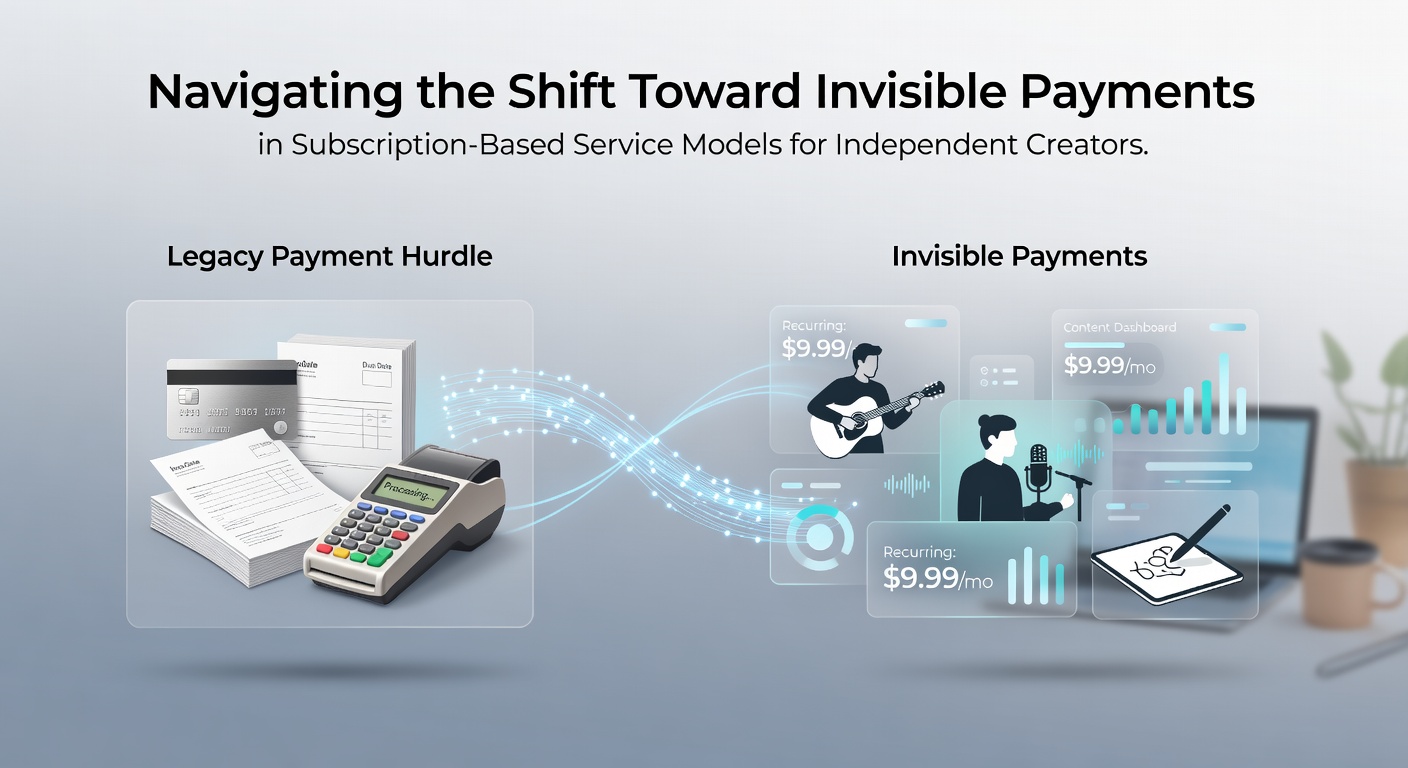
Independent creators who rely on recurring revenue streams find themselves adapting to payment systems that operate without repeated user interventions, and this evolution has gained momentum as digital platforms refine their backend processes. Observers note that subscription models now emphasize continuity through automated billing cycles that minimize disruptions, allowing creators to focus on content production while platforms handle the transactional elements behind the scenes.
Defining Invisible Payments in Creator Ecosystems
Invisible payments function through pre-authorized recurring charges that activate at set intervals, eliminating the need for subscribers to re-enter details or confirm each renewal, and data from industry reports shows this approach reduces abandonment rates during billing periods. Researchers have documented how these systems integrate with existing user accounts on platforms frequented by independent creators, such as those offering exclusive newsletters or video series, where seamless deductions support ongoing access without prompting additional actions from the paying audience.
What's interesting is how this model aligns with broader shifts in consumer behavior, as studies indicate users prefer uninterrupted service delivery over manual renewals that often lead to forgotten subscriptions or lapsed access. Those who've examined creator economies point out that invisible mechanisms help stabilize income flows, particularly for individuals managing multiple revenue sources across different platforms simultaneously.
Adoption Trends Among Independent Creators
Creators operating in niche markets have increasingly incorporated invisible payment structures into their offerings, and figures reveal that by early 2026 a significant portion of subscription-based services reported higher retention metrics after implementing these automated frameworks. One study revealed that independent artists and writers who transitioned to these models experienced fewer interruptions in their cash flow during peak content release seasons, when audience engagement typically spikes.
But here's the thing: not every creator adopts the approach at the same pace, since platform compatibility varies and some regions impose stricter consent requirements before recurring charges can proceed automatically. Data shows that creators in North America and parts of Europe have led the way, often citing improved subscriber lifetime value as a key factor that encourages the shift away from one-time purchase options.
Technological Foundations Supporting the Transition
Behind these invisible systems lie sophisticated recurring billing engines that sync with user preferences stored in secure databases, and experts have observed that integration with popular creator tools allows for customizable billing cadences ranging from monthly to annual cycles. Research indicates that updates in API connectivity have streamlined how platforms communicate with financial networks, reducing errors that previously caused failed renewals and subsequent support tickets for creators.
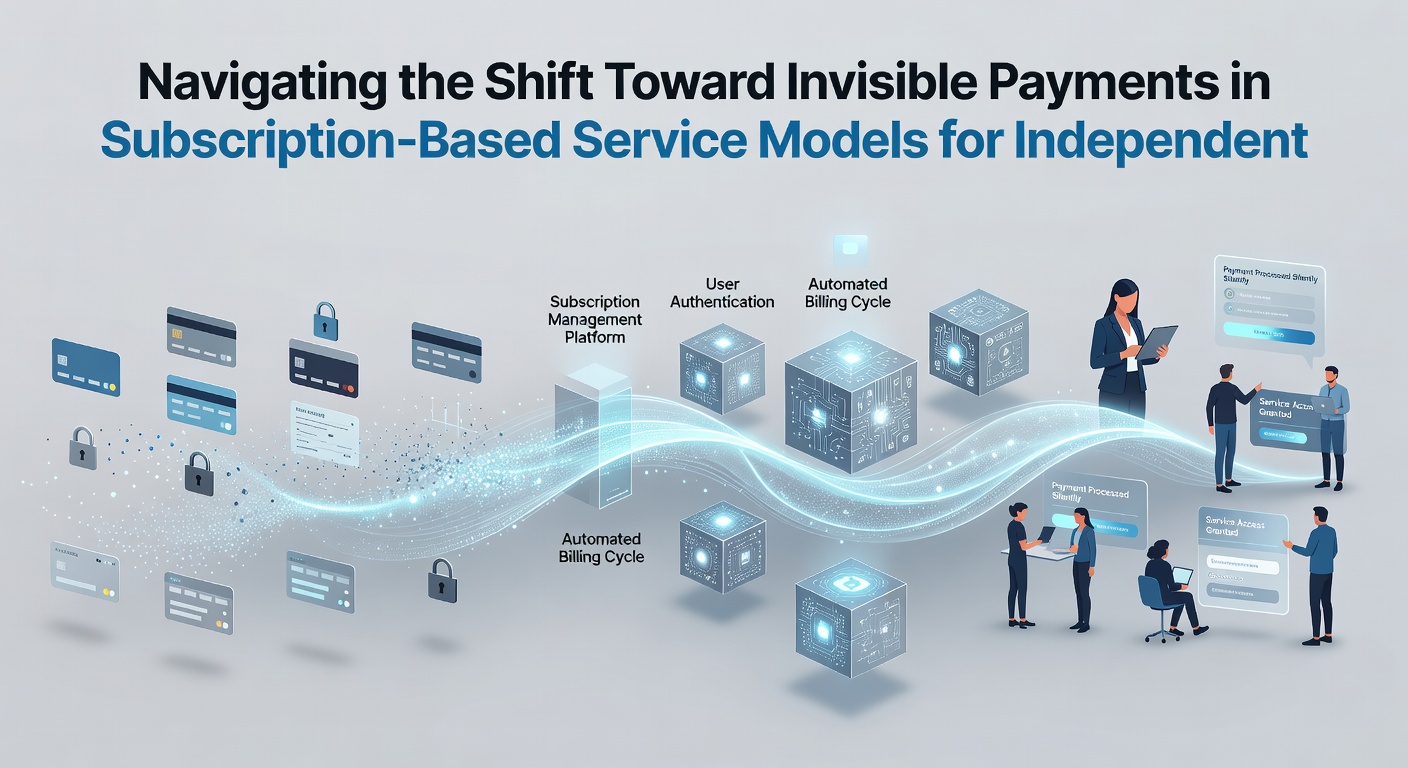
Observers note that cloud-based infrastructure plays a central role here, enabling real-time adjustments when subscribers modify their plans or pause access temporarily, while maintaining the overall invisibility of the transaction layer. Those who've studied platform analytics find that such flexibility helps creators retain audiences who value control without the friction of repeated checkout processes.
Regulatory Considerations in 2026
As of May 2026, regulatory bodies across various jurisdictions continue to shape how invisible payments function within subscription services, with guidelines emphasizing clear disclosure of terms at the point of initial sign-up. According to a report from the European Commission on digital finance initiatives, frameworks now require platforms to provide easy cancellation paths that do not compromise the automated nature of ongoing charges, balancing creator revenue needs with consumer protections.
Yet developments in Australia have introduced additional transparency mandates for recurring models, and government sources there highlight requirements for periodic reminders sent to subscribers about upcoming deductions. Research from Canadian financial authorities shows similar patterns where oversight focuses on preventing unauthorized extensions of subscriptions beyond stated durations, prompting creators to review their terms regularly to stay compliant.
Practical Steps for Implementation
Independent creators navigating this landscape often start by auditing their current platform capabilities to confirm support for invisible billing features, and case examples demonstrate that partnerships with established payment processors facilitate smoother rollouts. People who've transitioned their services report that testing renewal flows with small audience segments helps identify potential friction points before full deployment.
Turns out that ongoing monitoring of transaction success rates becomes essential once systems activate, since even minor glitches can affect trust levels among subscribers who expect uninterrupted access. Those managing creator accounts frequently adjust settings based on performance data, ensuring that the invisible processes remain reliable across different currencies and regions where their audiences reside.
Conclusion
The movement toward invisible payments continues to reshape subscription models for independent creators, driven by technological advancements and evolving regulatory standards that prioritize both efficiency and accountability. Data indicates sustained growth in adoption as platforms refine their offerings, and creators who align their operations with these changes position themselves for more predictable revenue patterns. Observers expect further refinements in the coming years as global standards converge and tools become more accessible across diverse creator communities.