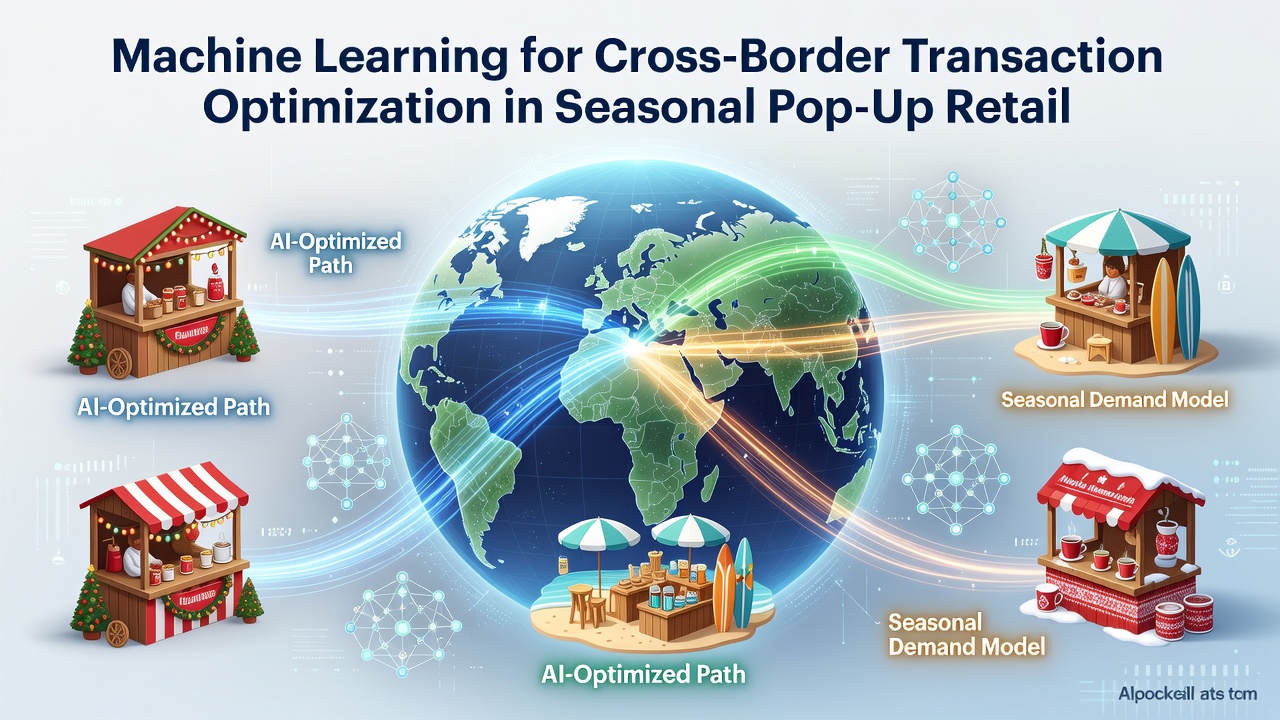
How Machine Learning Algorithms Optimize Transaction Routing Across International Borders for Seasonal Pop-Up Shops
Seasonal pop-up shops operate in temporary locations during events such as holiday markets or music festivals, which creates unique demands on payment systems that must handle cross-border transactions efficiently, and machine learning algorithms address these needs by analyzing vast datasets to select optimal routing paths in real time while minimizing costs and delays associated with currency conversion and regulatory compliance.
Core Challenges in Cross-Border Routing for Temporary Retail
Pop-up shops that cross international borders encounter variable factors including fluctuating exchange rates, differing payment processor availability, and regional restrictions on transaction types, yet traditional routing methods rely on static rules that fail to adapt quickly when a shop moves from one jurisdiction to another within days or weeks. Data from industry reports indicate that latency in currency conversion during peak periods can exceed standard thresholds by 30 percent or more in emerging markets, which directly affects authorization success rates for merchants handling high volumes of small-ticket sales.
Machine learning models ingest historical transaction records, current network conditions, and regulatory updates to predict the most effective processor or rail for each payment, and these systems continuously retrain on new data streams so that decisions improve with every completed sale across borders.
Algorithmic Techniques Driving Optimization
Supervised learning classifiers evaluate features such as merchant location, customer origin, transaction amount, and time of day to forecast approval probabilities for different routing options, while reinforcement learning agents test routing strategies in simulated environments before deploying them live, which reduces failed transactions that would otherwise require costly retries. Clustering algorithms group similar transaction patterns from past seasonal operations, allowing systems to identify clusters where specific payment corridors consistently outperform others during comparable periods.
Researchers at institutions studying global commerce have documented cases where these models lowered average processing fees by 12 to 18 percent for operators managing multiple short-term retail sites, and the gains compound when shops operate in regions with fragmented banking infrastructure.
Real-Time Adaptation During Peak Seasonal Windows
During high-demand intervals such as summer festival circuits or winter holiday circuits, transaction volumes spike unpredictably, and machine learning systems monitor live telemetry to reroute payments away from congested processors toward underutilized alternatives that still meet compliance standards. Natural language processing components scan regulatory announcements in multiple languages to flag upcoming changes that could affect routing decisions days before they take effect.
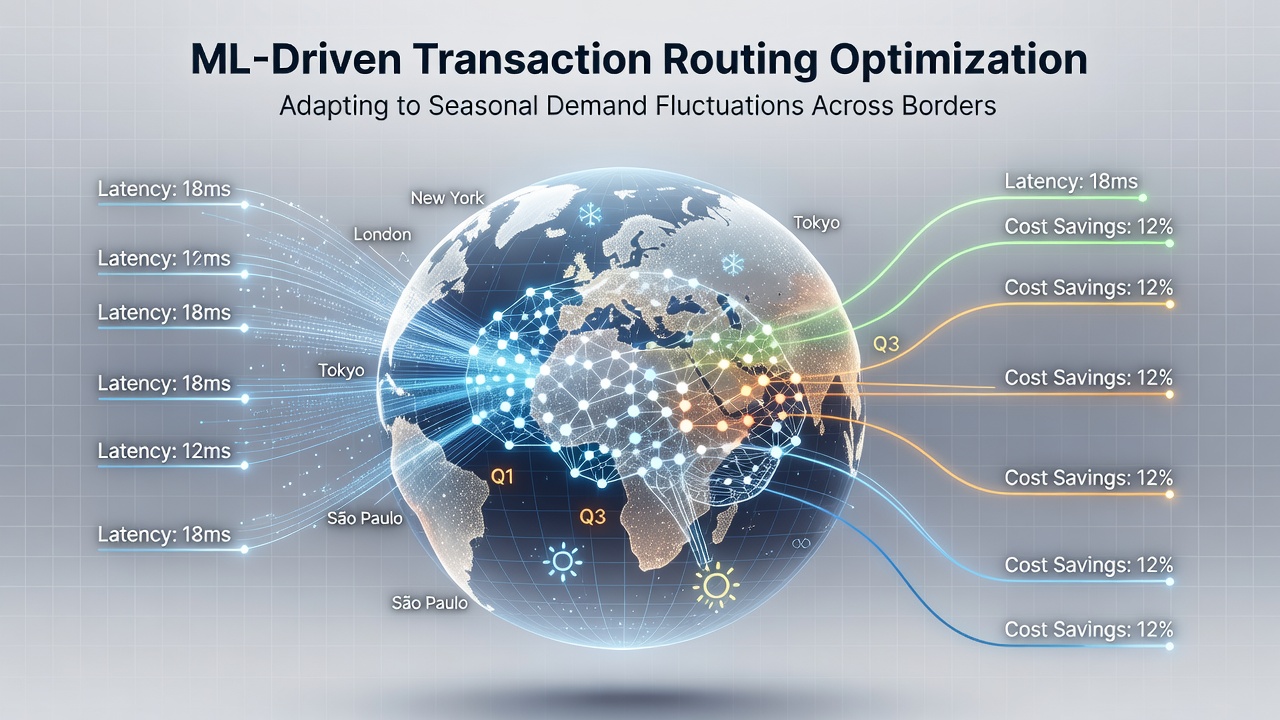
Observers note that integration with inventory systems allows the same models to correlate stock levels with expected payment flows, which helps anticipate when a pop-up shop might need additional liquidity in a particular currency before the next sales surge occurs.
Integration with Broader Payment Ecosystems
Pop-up operators often combine machine learning routing with tokenization services and risk scoring modules so that sensitive card data never traverses unnecessary borders, and this layered approach complies with data localization rules that vary sharply between the European Union, Canada, and Australia. According to analyses published by the Bank for International Settlements, coordinated routing layers have contributed to measurable reductions in settlement times for cross-border retail payments when adaptive algorithms replace fixed hierarchies.
One documented implementation involved a network of seasonal kiosks that switched between local acquiring banks and international gateways based on predicted success rates, resulting in authorization improvements that persisted across multiple festival seasons without manual intervention.
Developments Expected Around June 2026
By June 2026 several central banks plan to expand real-time payment rails that interface directly with machine learning optimizers, which will allow pop-up merchants to access lower-cost corridors that previously required pre-approval cycles lasting days. Updated interoperability standards from regional trade bodies are anticipated to standardize data formats used by these algorithms, reducing the friction that arises when a shop relocates from one currency zone to another mid-season.
Conclusion
Machine learning algorithms continue to refine transaction routing for seasonal pop-up shops by processing complex, multi-variable inputs that static systems cannot manage at scale, and the resulting improvements in speed, cost, and reliability support the operational flexibility these temporary retail formats require across international borders. Continued advances in model transparency and regulatory alignment will determine how widely these techniques spread among operators who depend on rapid, border-agnostic payment execution.