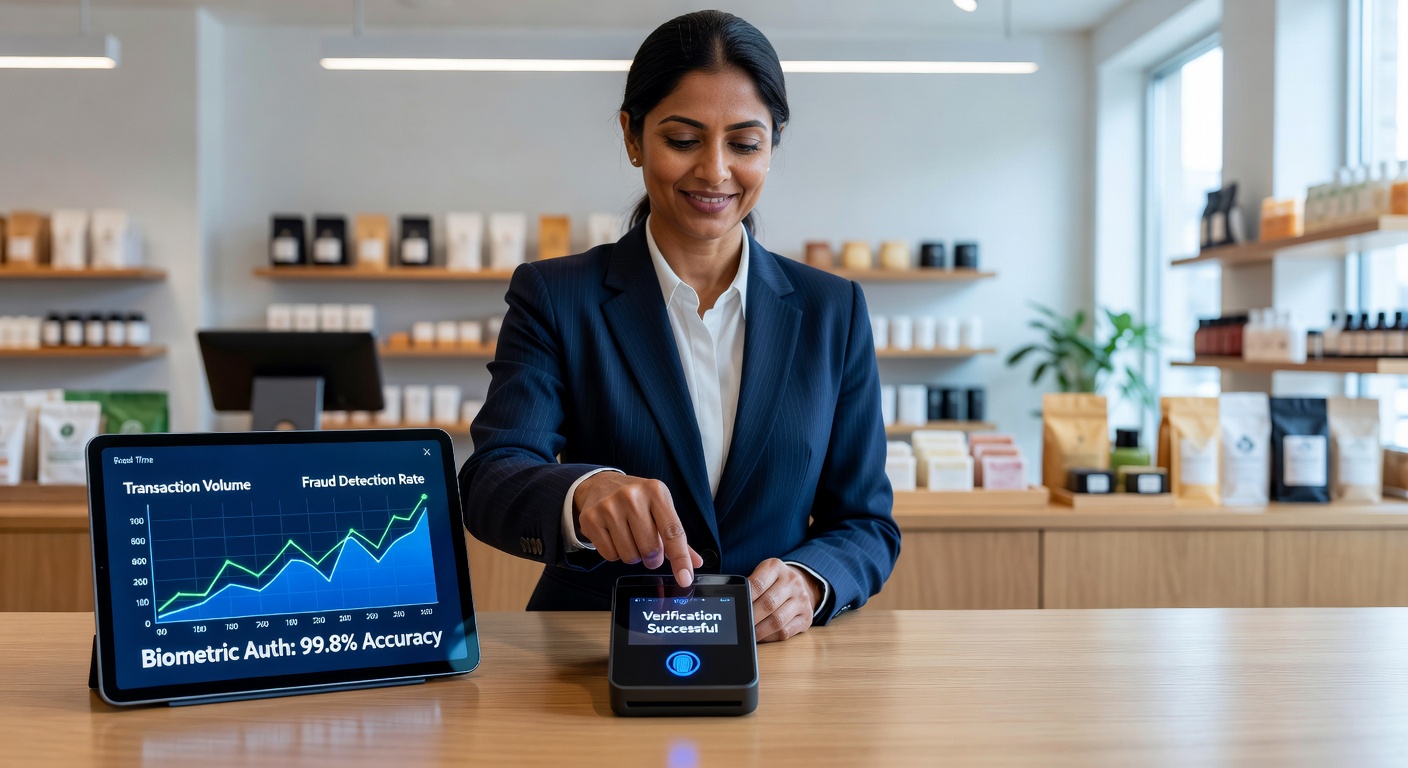
How Biometric Authentication Is Transforming Verification Processes Within Digital Payment Ecosystems for Small Business Operators
Biometric authentication has moved from niche security features into mainstream payment verification systems, and small business operators now rely on fingerprint scans, facial recognition, and voice patterns to confirm transactions in real time. These methods replace or supplement traditional passwords and PINs, which reduces friction at checkout while maintaining compliance with security standards set by payment networks. Researchers tracking adoption rates report that by May 2026, over 60 percent of small businesses using mobile point-of-sale solutions had integrated at least one biometric option into their customer-facing applications.
Core Biometric Technologies in Payment Flows
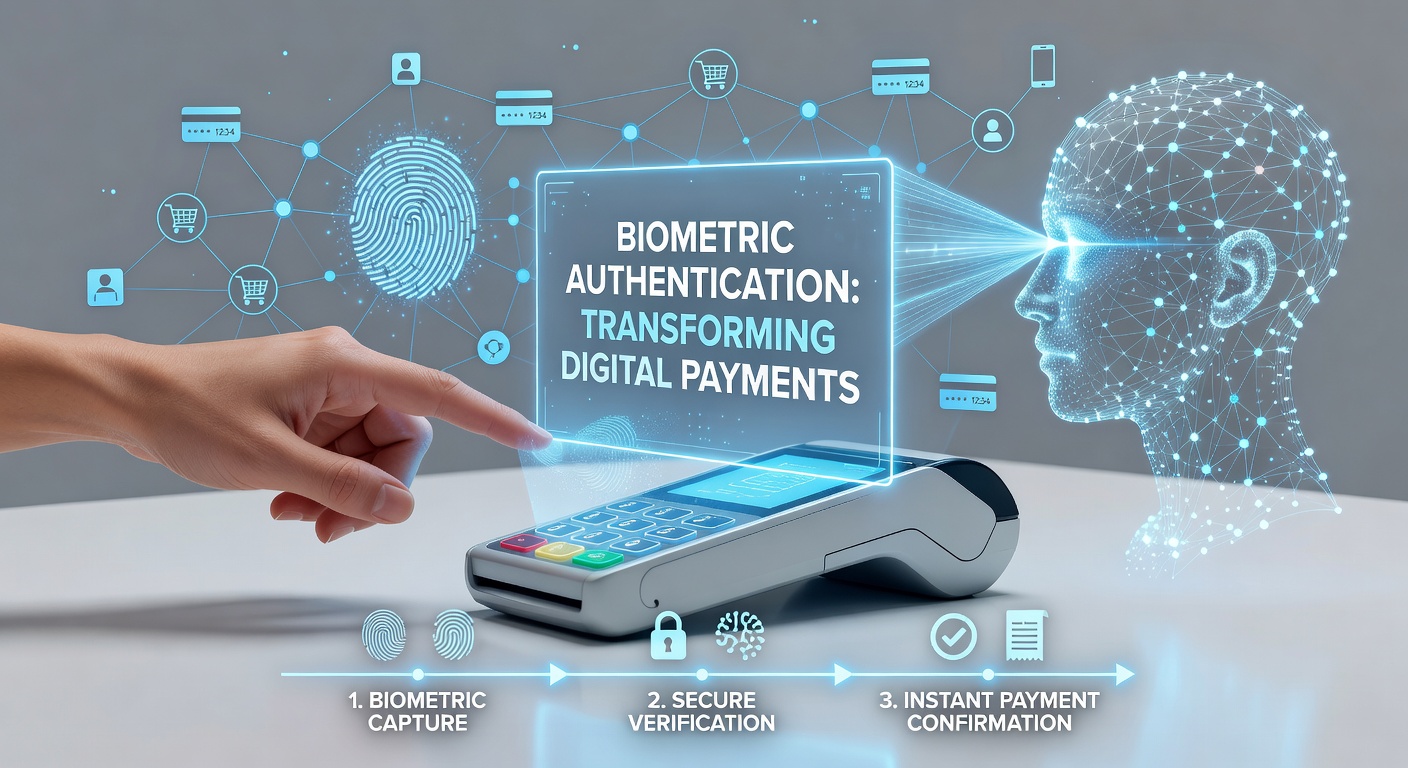
Fingerprint sensors on smartphones and tablets allow operators to authorize refunds or high-value transfers without typing codes, whereas facial recognition systems capture live images through device cameras and compare them against stored templates. Voice biometrics, though less common in retail settings, enable phone-based order confirmations where customers speak a passphrase that the system matches to a pre-enrolled profile. Each modality works through a combination of hardware capture and software algorithms that convert physical traits into encrypted digital templates, and payment processors then use these templates to validate identity before releasing funds.
Integration Patterns Among Small Operators
Many small retailers connect biometric tools directly to existing payment gateways through software development kits provided by acquirers or independent software vendors. A café owner, for instance, might link a tablet-based terminal to a fingerprint reader so that staff can approve loyalty redemptions or split bills with a single touch. Data from industry audits show that businesses with annual card volumes under five million dollars complete biometric-enabled transactions in roughly half the time required for manual verification steps. This speed matters most during peak hours when queues form quickly and customers expect contactless experiences.
Security and Compliance Advantages
Biometric templates never leave the device or the secure enclave of the payment application, which limits exposure compared with stored card numbers. When a transaction request arrives, the system performs a one-to-one match locally and sends only a confirmation token to the processor. Regulators in multiple jurisdictions now recognize these tokens as meeting strong customer authentication requirements, and operators who adopt them often satisfy audit criteria more easily. According to guidelines published by the National Institute of Standards and Technology, biometric systems that incorporate liveness detection reduce spoofing attempts by more than 90 percent in controlled tests.
Yet the same encrypted templates create new operational questions for operators who must manage device loss or employee turnover. Replacement protocols require re-enrollment of customers and staff, and businesses that skip these steps risk service interruptions. Payment orchestration platforms have begun offering centralized biometric key management so that a single dashboard can push updated templates across multiple locations without manual intervention at each register.
Operational Impacts on Daily Verification Workflows
Verification once meant matching a signature to a printed receipt or asking for photo identification on larger purchases. Biometric systems shift that burden to automated matching that occurs in under two seconds for most transactions. Small operators report fewer abandoned carts because customers no longer need to remember complex passwords or wait for one-time codes sent by text. In regions where data-protection rules require explicit consent, businesses display clear enrollment screens and allow customers to opt out, which keeps compliance straightforward while preserving choice.
Challenges and Mitigation Strategies
Accuracy varies with lighting conditions for facial systems and with skin conditions for fingerprint readers, so vendors combine multiple modalities or add fallback PIN entry. False rejection rates hover below one percent in current commercial deployments, yet operators still train staff to handle edge cases quickly. Cost remains another factor; early biometric hardware added several hundred dollars per terminal, but software-only solutions that use existing phone cameras have lowered that barrier substantially. Observers note that subscription models now bundle biometric access with gateway fees, which spreads the expense across monthly volumes rather than requiring large upfront outlays.
Regional Adoption Trends Through Mid-2026
European small businesses accelerated biometric rollout after updated payment services directives emphasized multifactor authentication, and Australian operators followed similar patterns once open-banking rules took effect. In North America, independent merchants adopted mobile biometric tools faster than traditional countertop terminals because the former require minimal hardware changes. Figures released by the Bank for International Settlements indicate that cross-border payment volumes processed with biometric verification grew 34 percent year-over-year in the first quarter of 2026, driven largely by small exporters using mobile invoicing apps.
Conclusion
Biometric authentication continues to reshape how small business operators verify identities inside digital payment systems by replacing manual checks with rapid, encrypted matches. The shift improves transaction speed and reduces certain fraud vectors while introducing new device-management responsibilities. As of May 2026, the technology sits at a point where integration costs have fallen and regulatory acceptance has risen, allowing even single-location retailers to implement advanced verification without enterprise-scale budgets. Continued refinement of liveness detection and template portability will determine how widely these tools expand into everyday payment flows over the next several years.