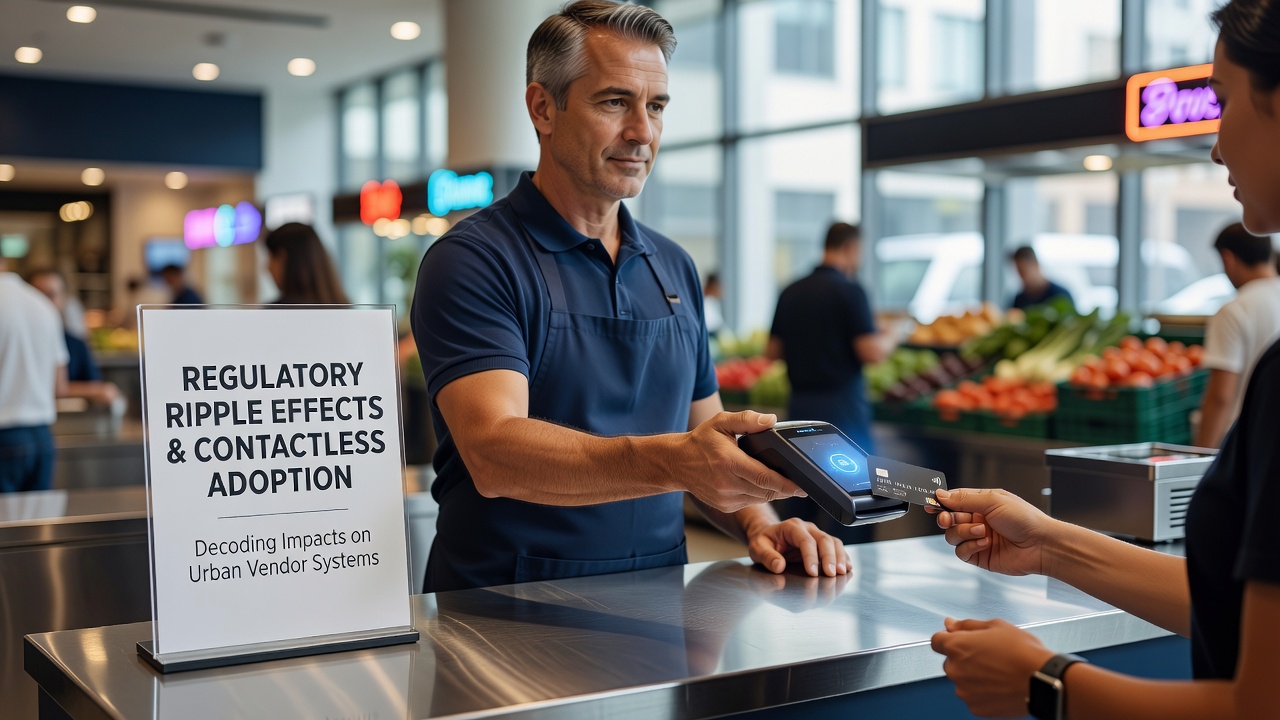
Decoding Regulatory Ripple Effects on Vendor Adoption of Contactless Systems in Urban Food Markets
Urban food markets have long served as vital hubs where vendors sell fresh produce, prepared meals, and specialty items directly to consumers, yet the shift toward contactless payment systems introduces layers of regulatory influence that shape how quickly these vendors integrate new technology. Regulations covering data protection, transaction security, and financial reporting create interconnected effects that either accelerate or slow adoption rates across different cities.
Regulatory Frameworks Shaping Technology Choices
Payment service directives in the European Union require vendors handling electronic transactions to comply with standards for strong customer authentication and data encryption, which directly affects the hardware and software options available for contactless terminals in markets from Barcelona to Berlin. In parallel, data privacy laws in various jurisdictions mandate specific consent mechanisms and breach notification timelines that vendors must build into their daily operations when accepting mobile wallets or NFC-based payments.
North American approaches add further dimensions through consumer financial protection rules that emphasize transparent fee structures and dispute resolution processes, forcing vendors in cities like New York and Toronto to evaluate not only the technical compatibility of contactless readers but also the ongoing compliance costs associated with each provider. Observers note that these overlapping requirements often lead vendors to select systems that bundle regulatory reporting features directly into the payment platform rather than managing separate compliance tools.
Operational Adjustments Among Market Vendors
Small-scale operators in dense urban environments frequently encounter integration challenges when aligning contactless systems with existing inventory tracking and tax filing processes, particularly when local health department rules require detailed transaction records for food safety audits. Research indicates that vendors who adopt unified platforms experience smoother transitions because these solutions automatically categorize sales data according to regulatory categories used by municipal authorities.
Take one group of vendors in a mid-sized European city who synchronized their contactless terminals with cloud-based reporting tools following updates to transaction monitoring guidelines; their experience showed reduced administrative time spent on monthly filings while maintaining full traceability for inspectors. Similar patterns appear in Asian markets where interoperability standards between legacy point-of-sale devices and newer contactless readers have been clarified through industry-wide technical specifications.
Regional Differences in Adoption Patterns
Cities with centralized market management structures tend to roll out standardized contactless solutions that incorporate built-in compliance modules, whereas decentralized markets see vendors making independent choices that sometimes create fragmentation in accepted payment methods. Data from payment network analyses reveal higher consistency in transaction volumes when regulatory bodies publish clear implementation timelines and provide vendor training resources.

Canadian regulators have published guidance documents that outline simplified pathways for micro-businesses entering electronic payments, and these materials have been referenced by market associations in Vancouver and Montreal when coordinating collective vendor upgrades. Meanwhile, Australian frameworks emphasize open banking principles that allow vendors to connect multiple financial institutions to a single contactless interface, reducing dependency on any one processor during periods of regulatory change.
Emerging Developments Around June 2026
Updated security certification requirements scheduled for activation in June 2026 will require contactless devices to support additional encryption layers and real-time fraud detection capabilities, prompting many urban food market vendors to assess their current equipment against these forthcoming benchmarks. Industry reports project that vendors who begin testing compliant systems in advance will avoid service interruptions once the new standards take effect across participating payment networks.
International coordination efforts among central banks continue to focus on harmonizing reporting formats so that vendors operating in cross-border supply chains face fewer duplicative compliance obligations. Figures released by the Bank for International Settlements highlight how standardized data fields can streamline audits without increasing the technical burden on individual market stalls.
Conclusion
The interplay between evolving regulations and contactless technology adoption in urban food markets continues to produce measurable shifts in vendor operations, with outcomes varying according to local governance structures and available support resources. As new certification deadlines approach in June 2026, the patterns established in earlier regulatory cycles provide concrete reference points for anticipating further adjustments across global market networks.