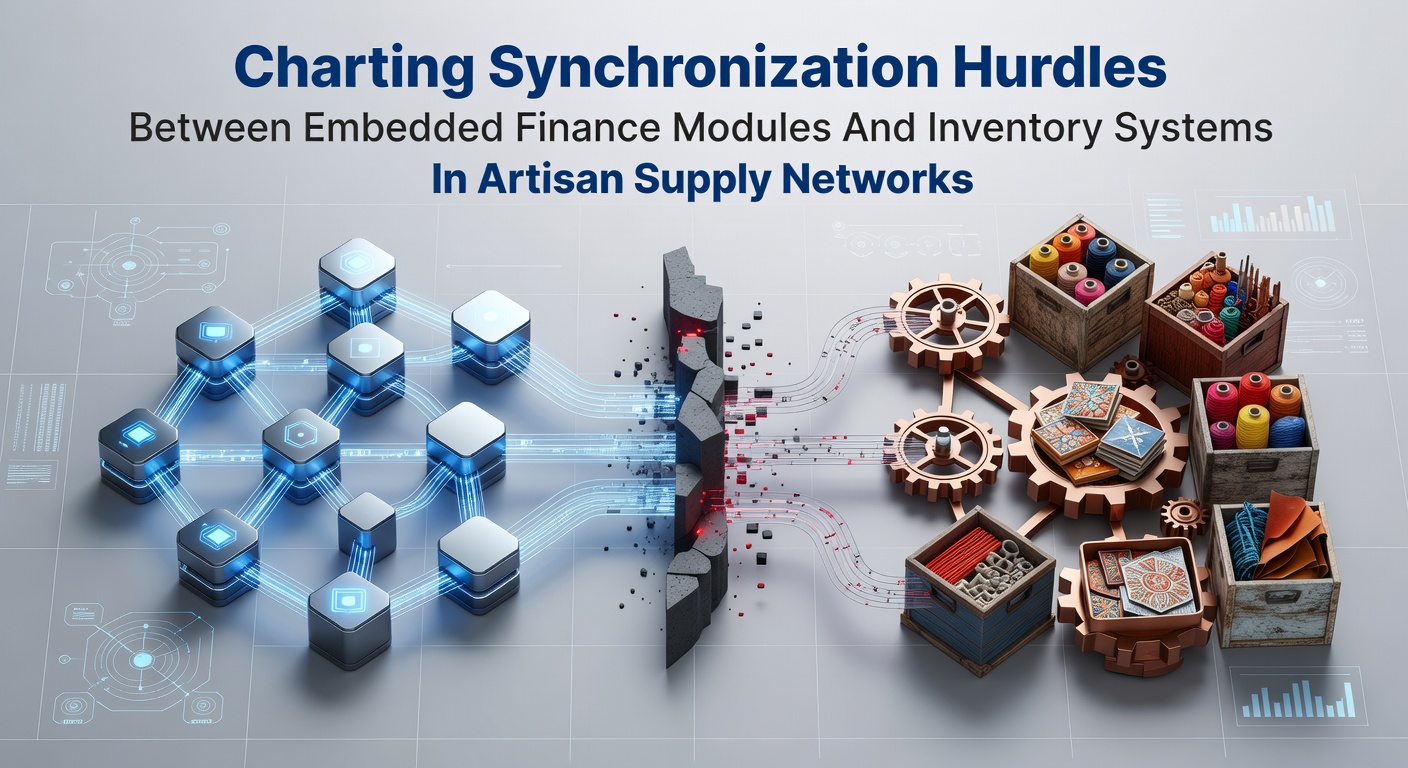
Charting Synchronization Hurdles Between Embedded Finance Modules And Inventory Systems In Artisan Supply Networks
Artisan supply networks connect small-scale producers of handmade goods with distributors, retailers, and financing partners across multiple regions, and embedded finance modules now sit inside many of these flows to release working capital as soon as inventory moves. Yet the same modules frequently fall out of step with inventory systems that record stock levels, material purchases, and shipment statuses, creating mismatches that delay payments and distort cash-flow forecasts. Observers note that these synchronization problems have grown more visible since early 2025, when several regional craft cooperatives adopted real-time ledger updates while their finance partners continued to rely on batch reconciliation cycles.
Core Components In Play
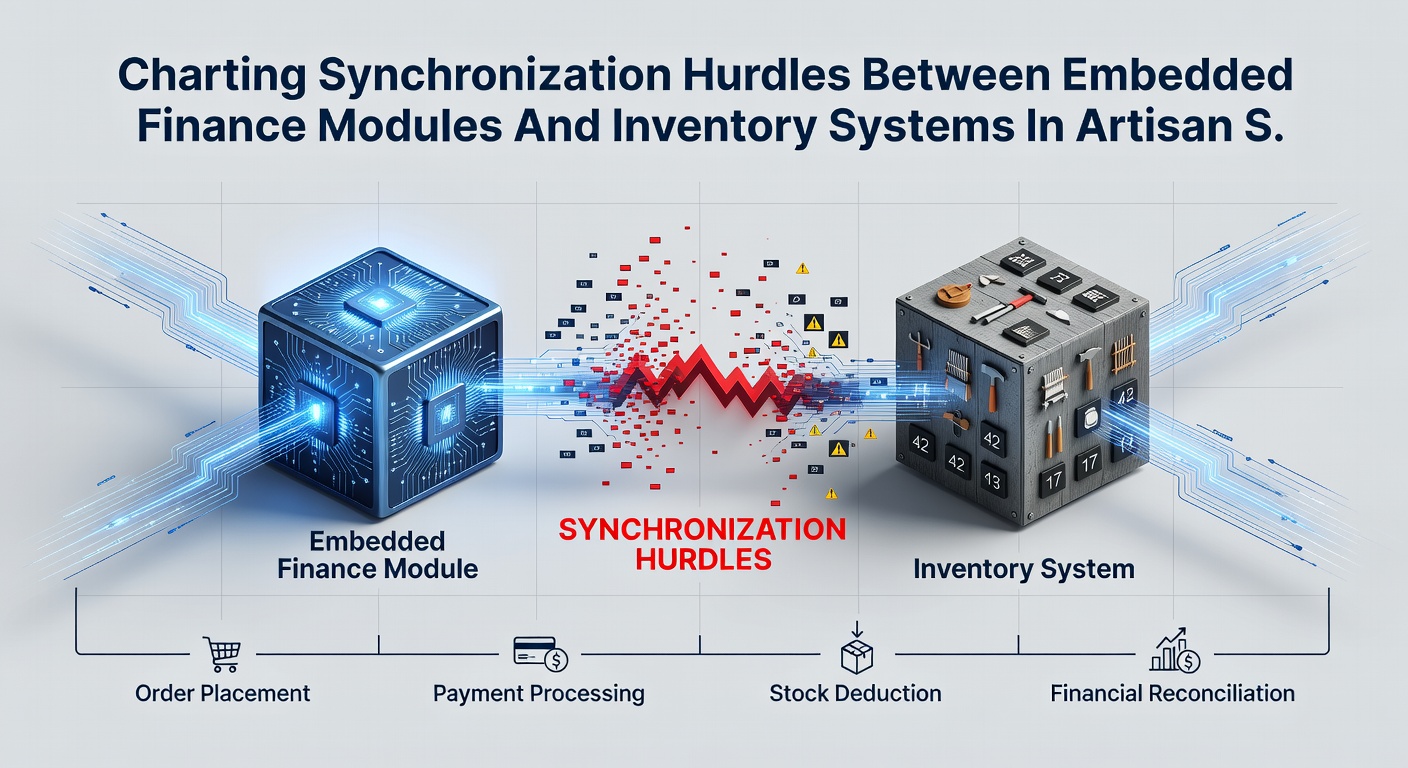
Embedded finance modules handle purchase-order advances, invoice factoring, and dynamic credit lines that adjust according to verified stock movements, whereas inventory systems track raw materials, work-in-progress, and finished pieces using barcode scans or RFID tags. When data flows between the two remain continuous, producers receive funds within hours of confirmed dispatch; when gaps appear, advances stall until manual verification closes the loop. Researchers at the University of Melbourne documented average delays of 3.2 days in a 2025 sample of Southeast Asian textile cooperatives, attributing most interruptions to incompatible timestamp formats and differing units of measure between the platforms.
Data Latency And Format Conflicts
Inventory platforms often log events at the moment a scan occurs, yet many embedded finance engines process batches overnight or twice daily to meet internal risk rules. The resulting lag means a crate recorded as shipped at 14:17 local time may not register in the finance module until the next morning, blocking an advance that artisans expected the same afternoon. Format conflicts compound the issue: one system records fabric lengths in meters while the finance layer expects centimeters, and currency fields sometimes arrive without decimal precision that risk algorithms demand. Data from the OECD’s 2025 supply-chain digitization report shows that 41 percent of surveyed artisan networks experienced at least one such mismatch per month, with the highest rates occurring in cross-border shipments between Latin America and the European Union.
API And Protocol Divergence
Most inventory systems expose REST endpoints updated in near real time, while several embedded finance providers still require SOAP or legacy file uploads for compliance reasons. Integration teams therefore build custom middleware that translates, queues, and retries messages; each translation layer introduces points where packets can drop or fields can mis-map. In May 2026, a Canadian maple-wood cooperative reported that a firmware update on their handheld scanners altered the JSON structure of quantity fields, breaking the middleware link for eleven days until both vendors issued patches. Similar incidents appear in industry forums at least once per quarter, indicating that protocol drift remains a persistent operational cost.
Regulatory And Audit Requirements
Financial regulators in multiple jurisdictions require traceable records that link every advance to a verified inventory event, yet the evidentiary standards differ. The Australian Securities and Investments Commission, for instance, accepts digital timestamps plus photographic proof, whereas certain EU member states still mandate paper-backed delivery notes for amounts above a set threshold. Networks that span both regions must therefore maintain dual record sets, increasing the chance that one repository updates while the other lags. Those who manage artisan portfolios note that audit cycles scheduled for late May 2026 will likely surface additional discrepancies as new reporting templates take effect.
Impact On Cash Flow And Production Planning
When synchronization fails, producers either wait for manual approvals or draw on costlier short-term credit, raising overall financing expenses by an estimated 2.8 percent according to figures compiled by the Inter-American Development Bank. Inventory planners, in turn, receive distorted signals about available working capital and may over-order materials to buffer against uncertain advances. One cooperative in Oaxaca adjusted its purchasing calendar three times in 2025 after delayed finance confirmations caused raw-wool shortages during peak dyeing season. Over repeated cycles these adjustments accumulate into measurable output variability that downstream retailers also feel.
Emerging Mitigation Approaches
Some networks now deploy event-driven middleware that pushes inventory state changes into finance modules the instant a scan completes, eliminating batch windows. Others adopt shared data schemas published by standards bodies, reducing translation errors. Pilot programs in New Zealand and Chile during the first quarter of 2026 tested a unified timestamp protocol based on ISO 8601 with microsecond granularity; early results indicate reconciliation failures dropped by roughly 60 percent in participating cooperatives. Hardware upgrades such as always-connected tablets further shrink the window between physical movement and digital record creation.
Conclusion
Synchronization between embedded finance modules and inventory systems in artisan supply networks hinges on consistent data formats, continuous connectivity, and aligned regulatory expectations. Networks that address latency, protocol differences, and dual-audit demands reduce both financing costs and production volatility, while those that leave gaps continue to absorb delays that ripple through every subsequent transaction. Continued monitoring through mid-2026 will show whether the mitigation tactics now entering wider use can scale across the diverse geographies and regulatory environments that artisan producers navigate.